How to Create Atmosphere In Your Paintings!
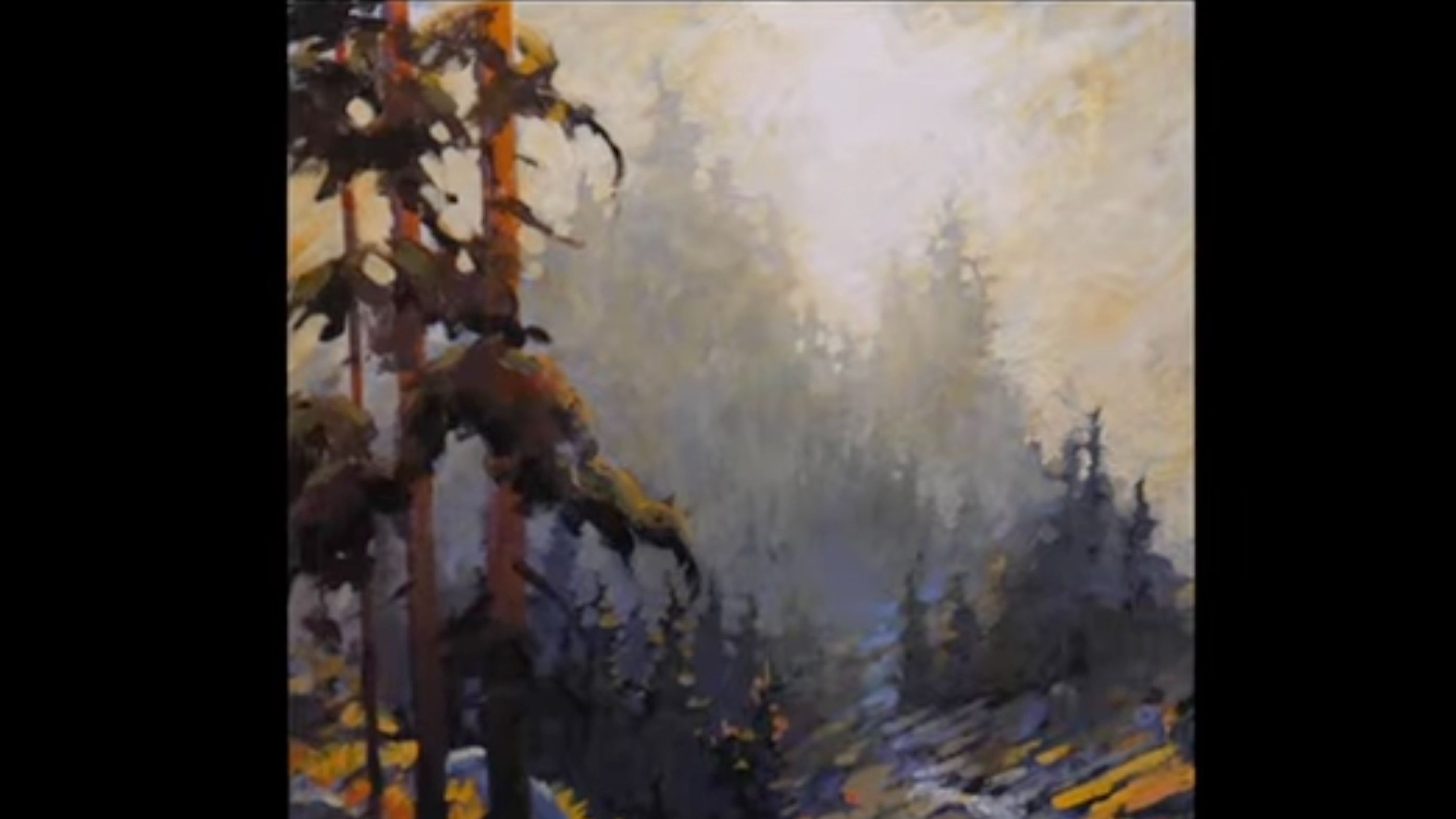
How to Create Atmosphere and Depth in Acrylic Paintings
Do you want to create more atmosphere in your paintings?
Maybe you’re looking to add depth, fogginess, or that soft misty feeling in the air.
In this short lesson, I’ll walk you through how I create atmosphere in acrylic painting—specifically how to make a scene feel deep, ethereal, and alive. The painting I’m working on is inspired by a hike, looking up toward a mountain as it ascends into the clouds. As the elevation increases, the landscape becomes mistier and more atmospheric, creating that beautiful sense of distance.
Looking for more in-depth learning about adding atmosphere in your paintings? Check out the CLOUD CHALLENGE by Diana Shyne!!! ☁️ ⛅️ 🌧️
Atmosphere is one of the most powerful elements in a painting. In fact, I’ve often heard it said that without atmosphere, a painting is nothing. But achieving this effect in acrylics can feel challenging because of their fast drying time. That’s why sometimes you need to adjust your process.
Today, I’ll show you one of my favorite approaches: painting on a black canvas and working my way toward the light.
Starting with Dark Values
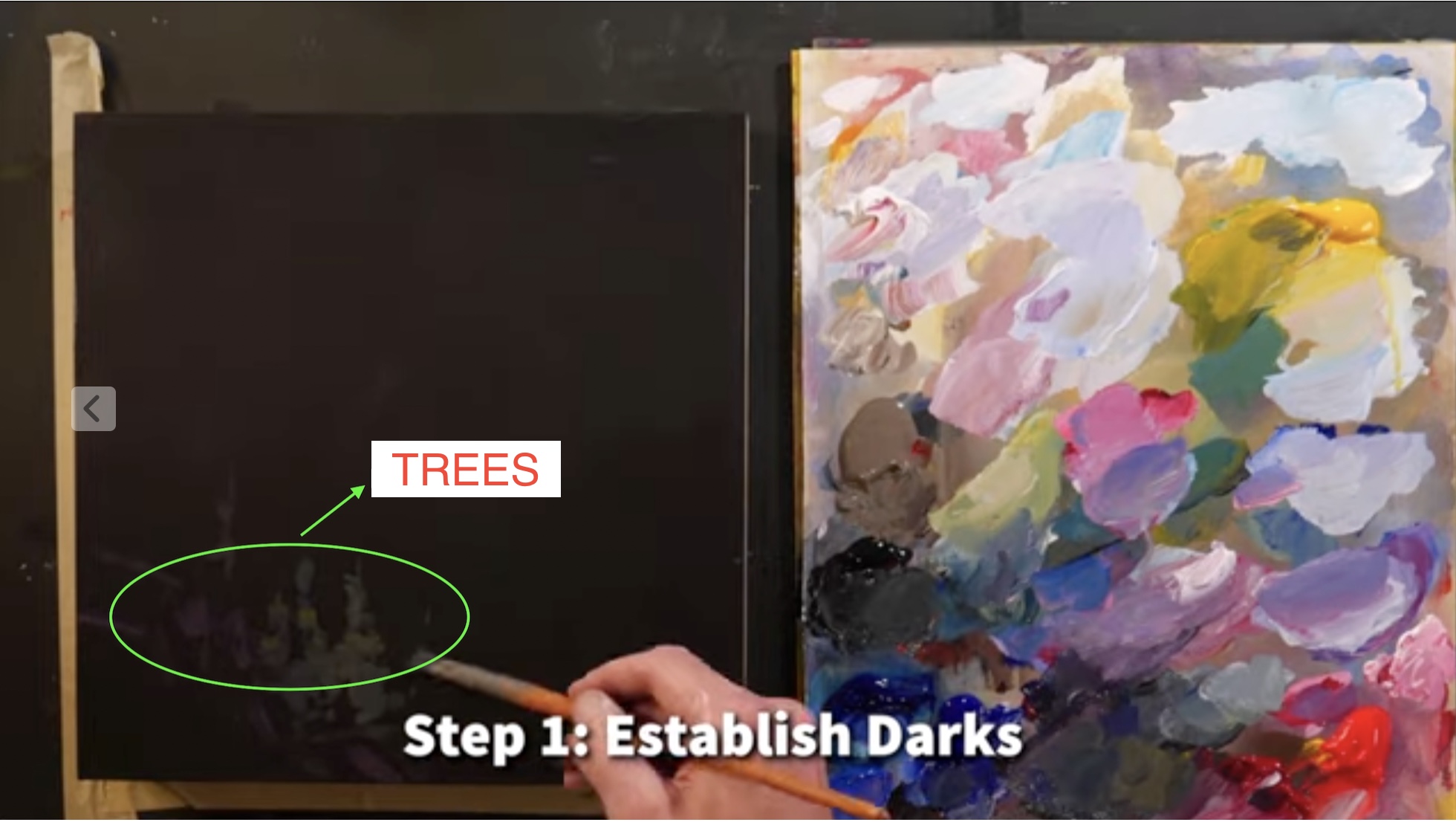
I begin by painting on a black canvas and blocking in the darkest values first. These initial shapes represent trees in the lower portion of the scene. Everything starts very dark at this stage.
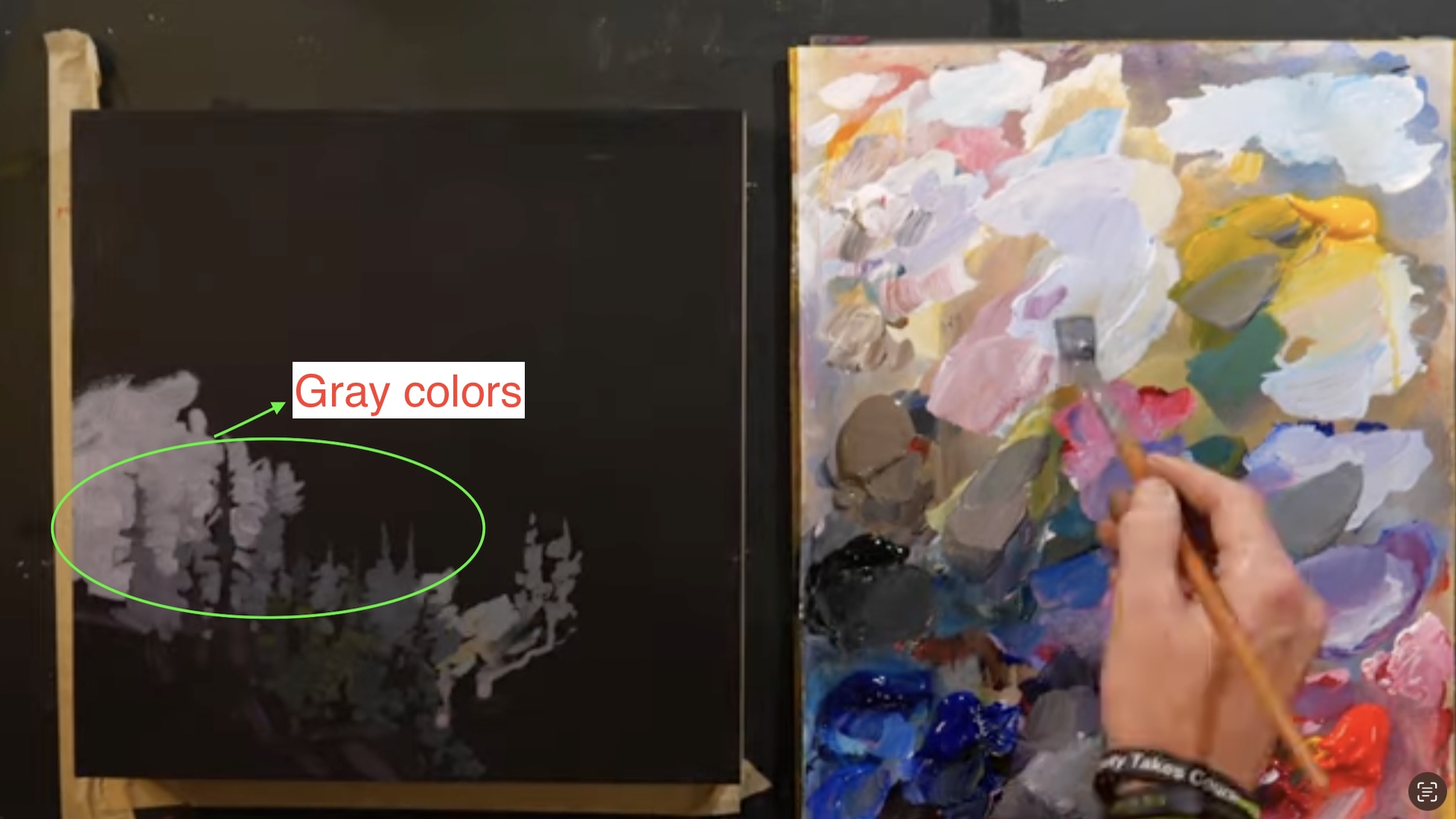
As the landscape moves upward and farther away from the viewer, it naturally becomes lighter, mistier, and more atmospheric. You’ll notice a lot of gray tones mixed into these distant areas.
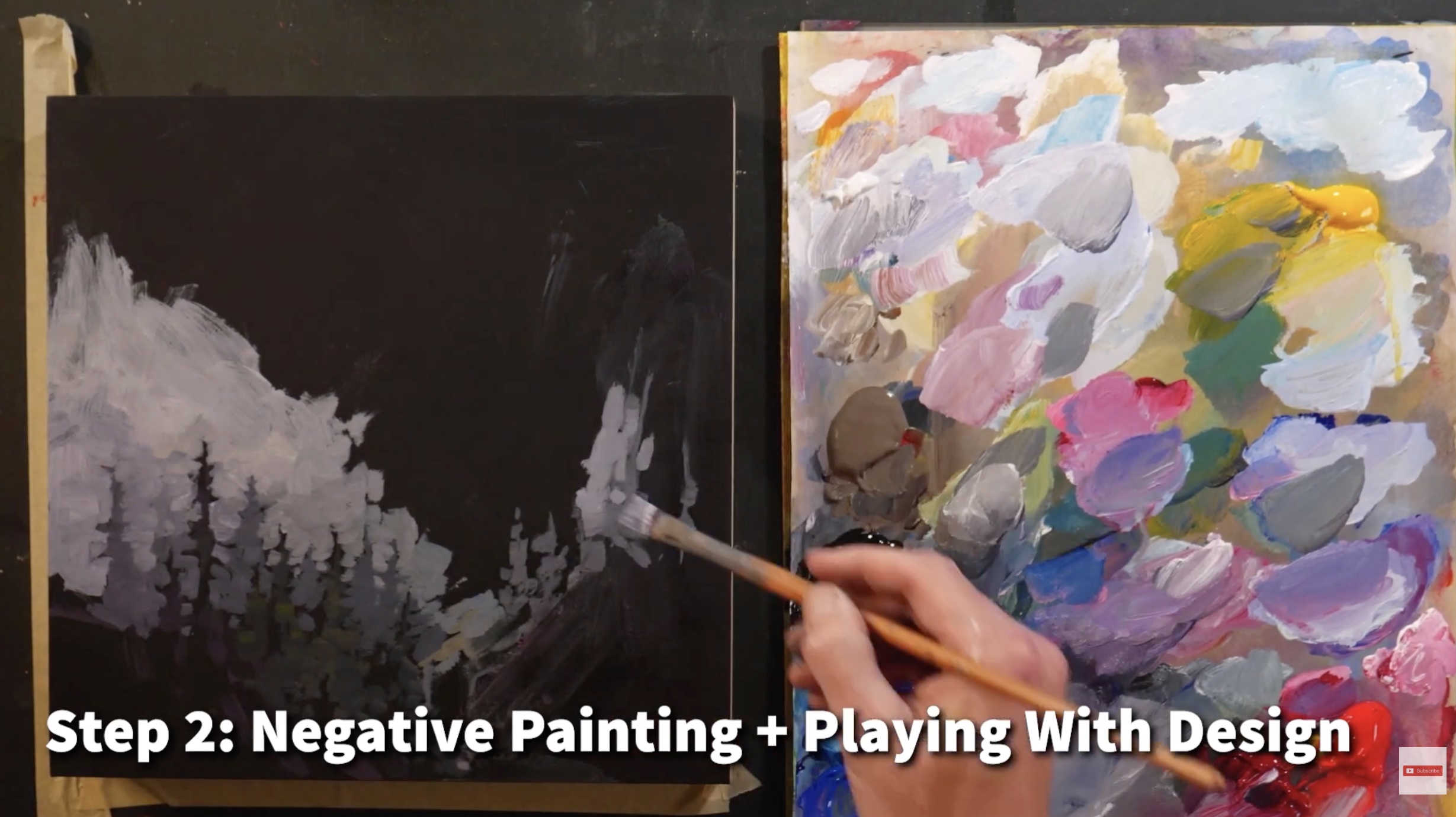
The trees and landforms are shaped through negative painting, meaning each layer is defined by what’s painted around it rather than directly on top.
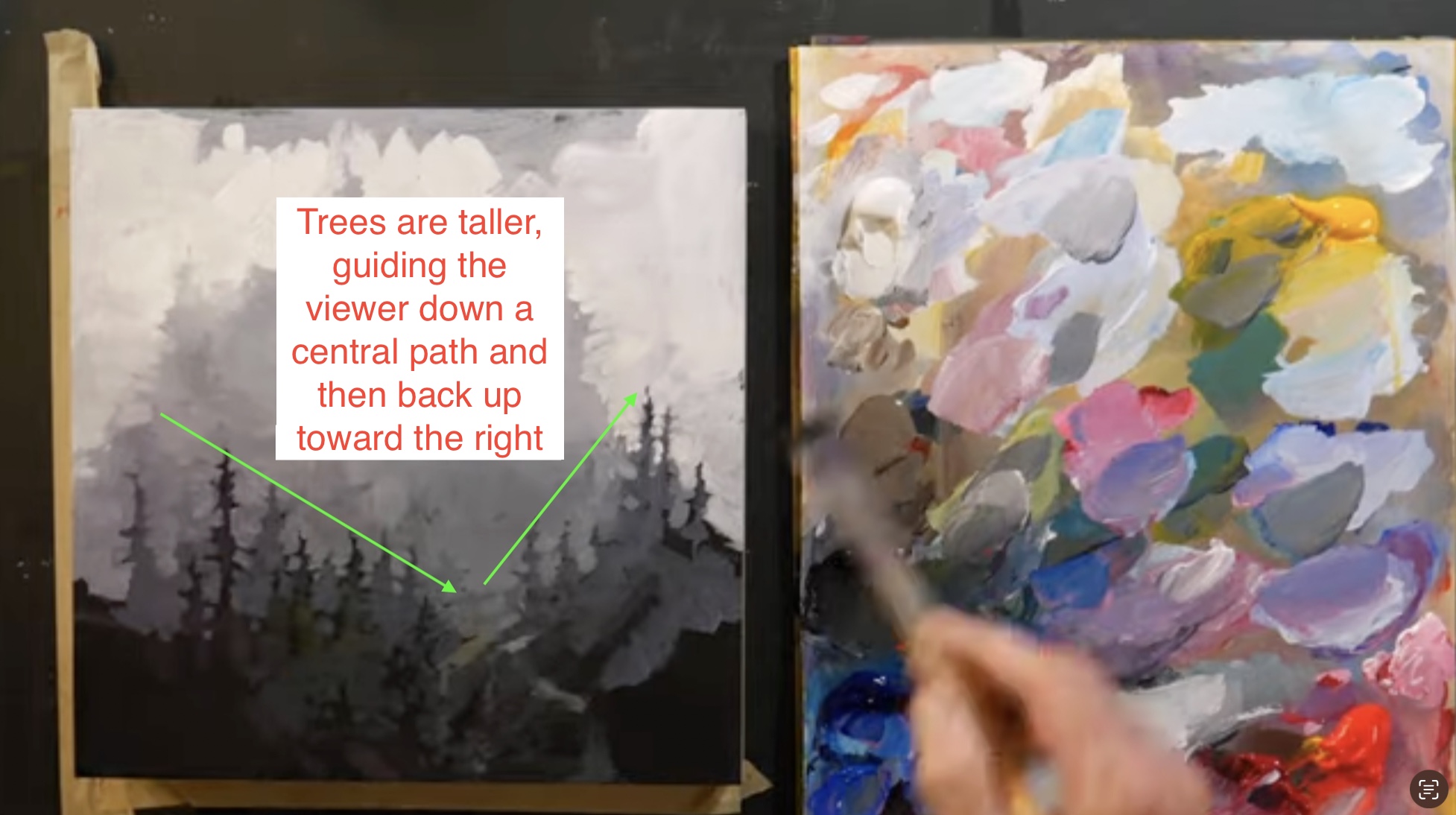
Even at this early stage, I’m already thinking about composition and design—how the eye will move through the painting. Some trees are taller, guiding the viewer down a central path and then back up toward the right. I also cut out the sky area, which instantly increases the sense of mist and elevation near the mountain summit.
Not every design choice stays. At one point, I added a second hill, but it didn’t enhance the scene. Instead, it distracted from it—so I removed it. Editing is part of the process.
Building Depth with Warmth and Contrast
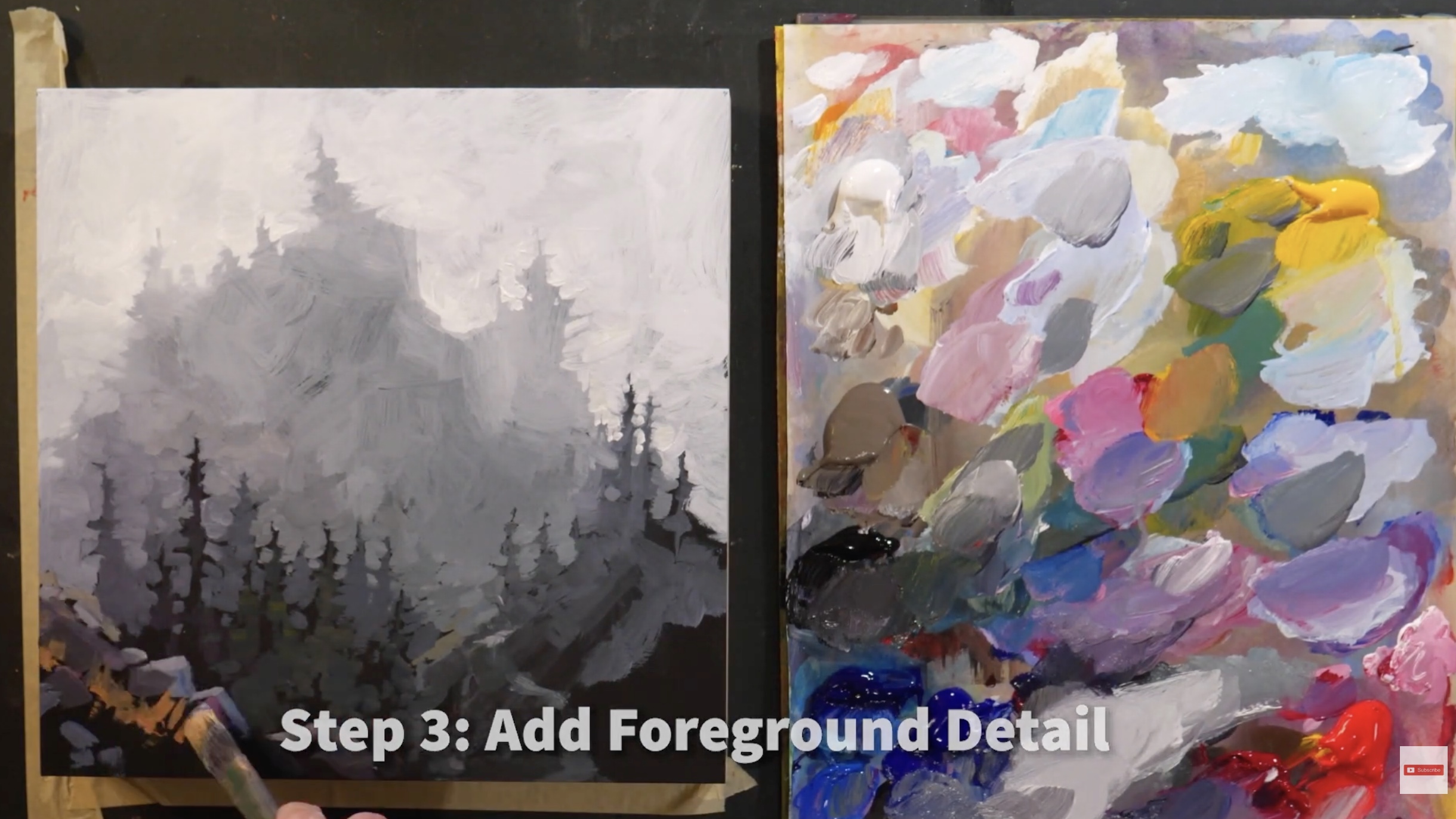
Once the basic scene is established, I move into the foreground. This is where depth really starts to come alive.
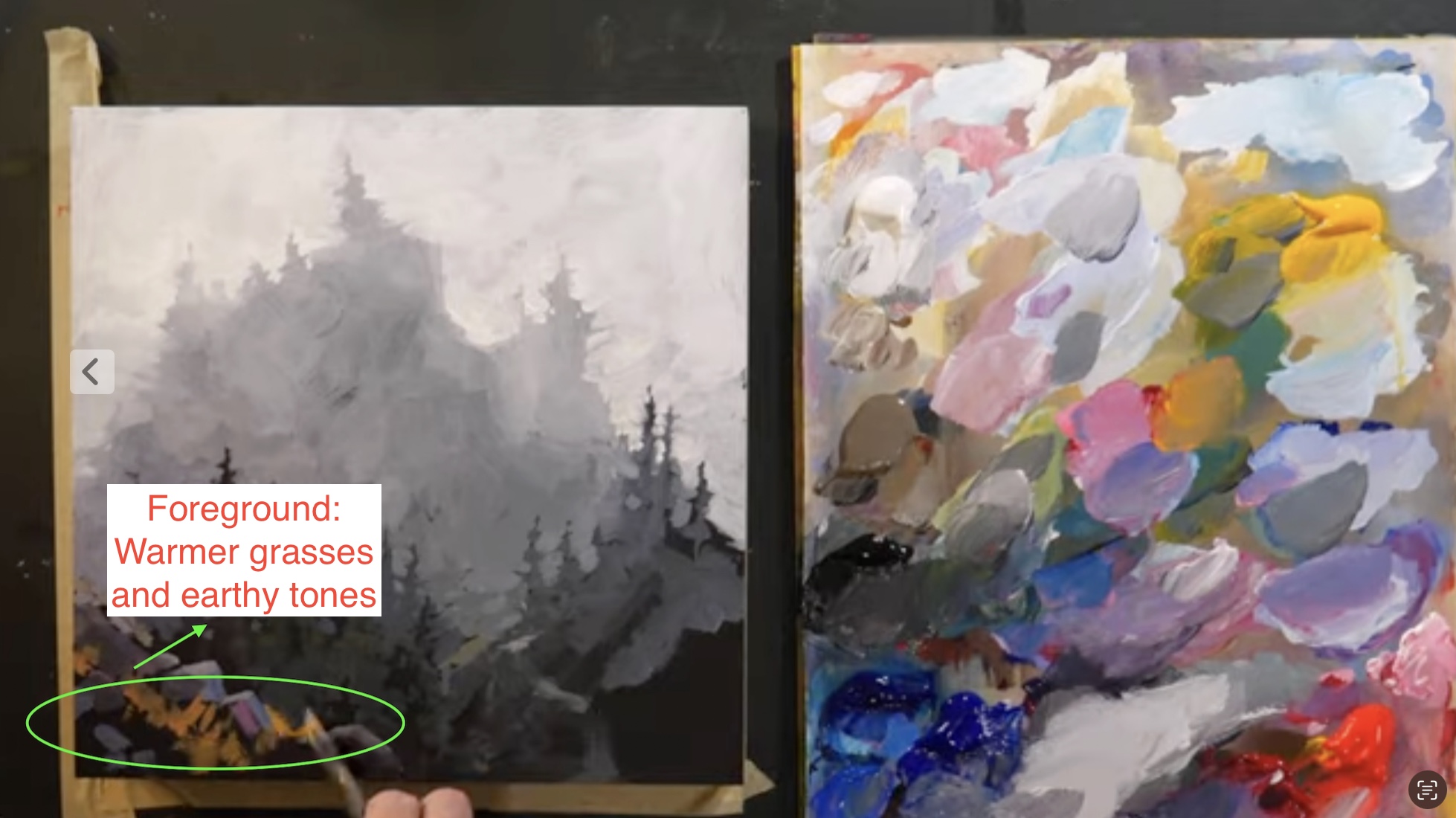
I introduce warmer grasses and earthy tones to pull the foreground closer to the viewer. These warmer, more saturated colors contrast beautifully with the cooler, misty background. Angular shapes and a defined path on the right help anchor the composition and guide the eye through the scene.
Before moving forward, it’s important that everything dries completely—especially when working with atmosphere.
The Power of Zinc White
One of my favorite tools for creating atmosphere in acrylics is zinc white.
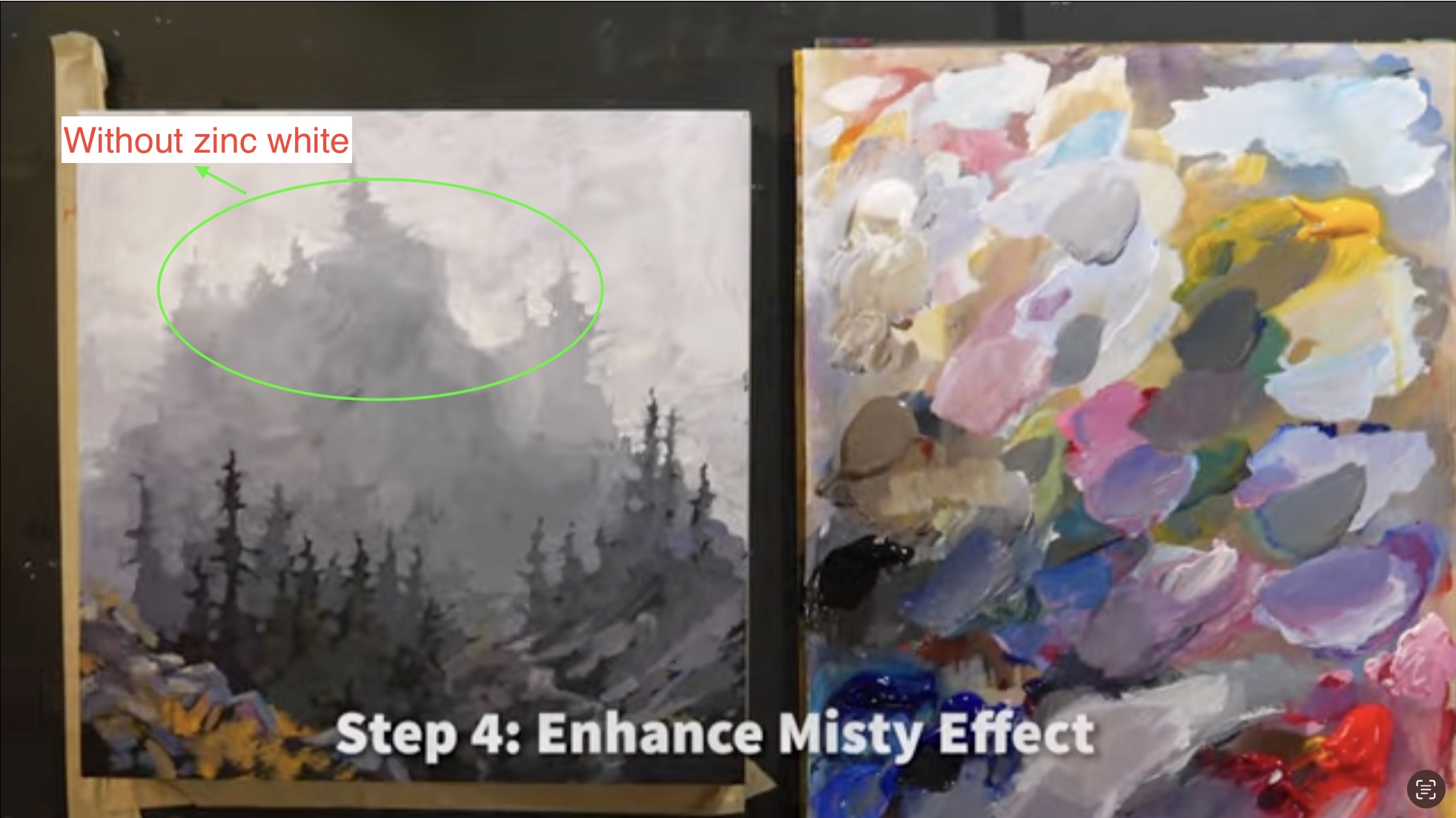
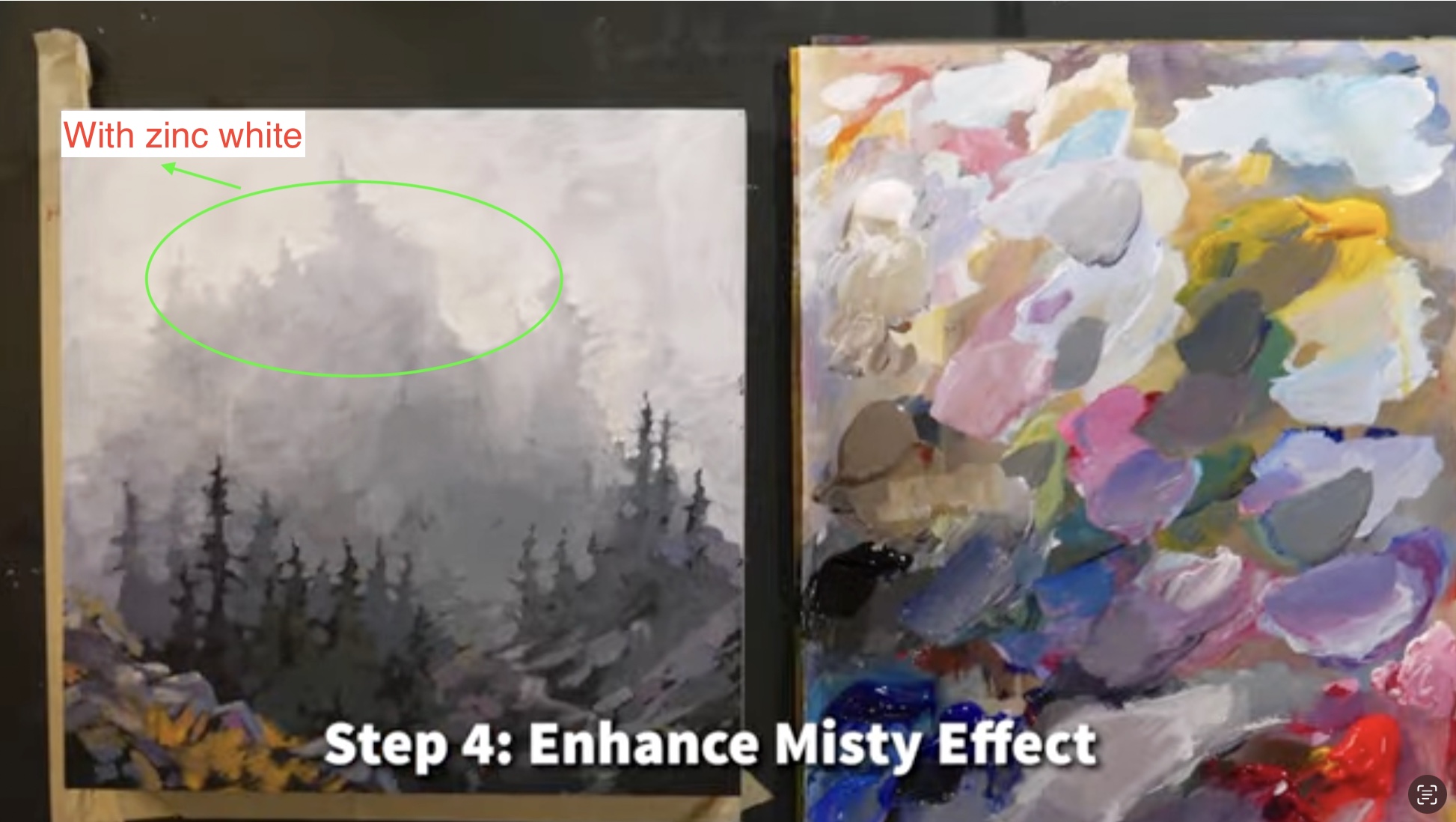
Zinc white is a transparent white, unlike titanium white, which is very opaque. I apply zinc white first, allowing the layers beneath to show through. Then I selectively add titanium white where I want stronger highlights.
This combination creates softness, depth, and translucency—perfect for fog, mist, and distant elements. Cooler bluish tones are added to the path, while subtle grasses balance the composition.
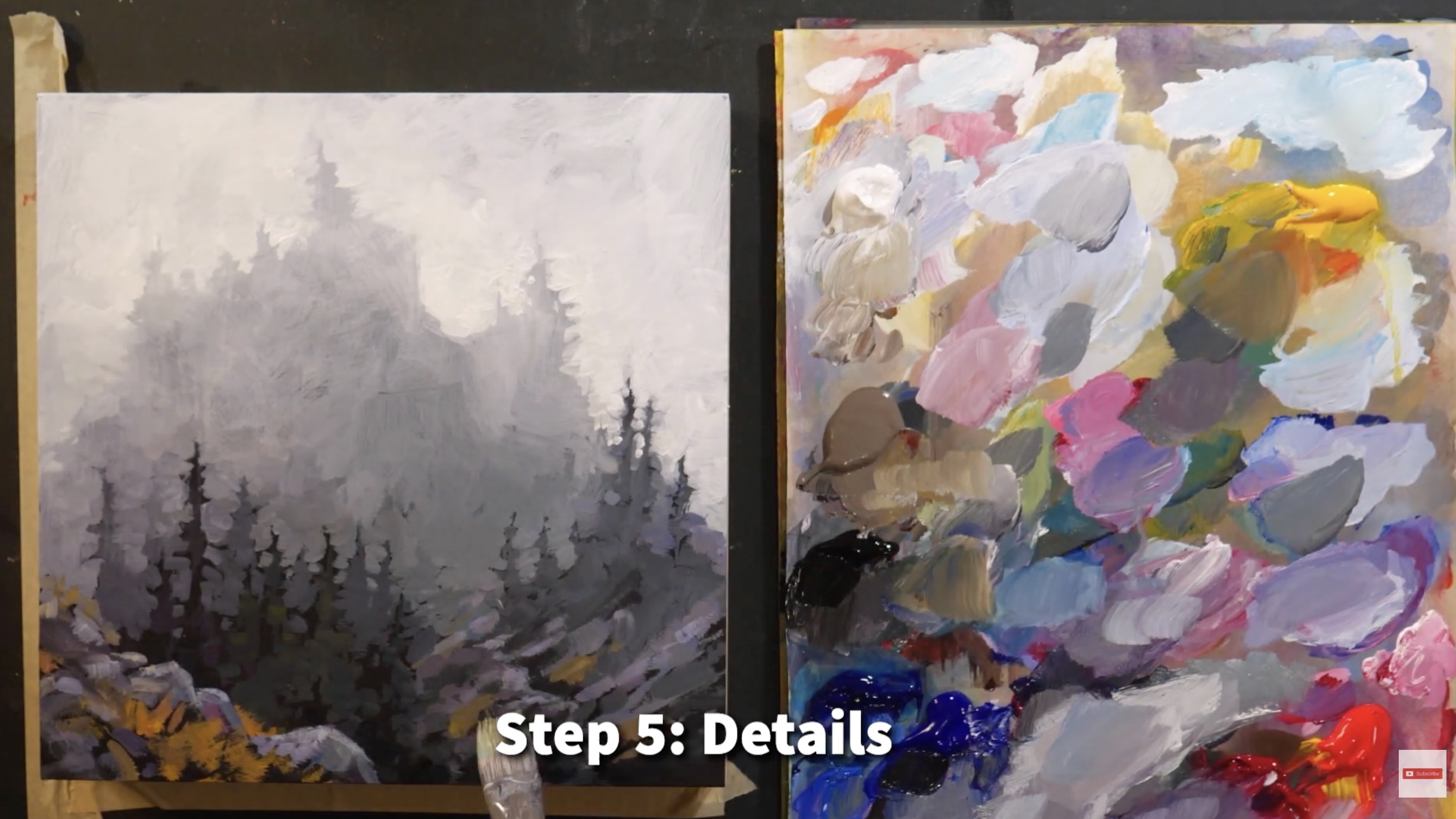
At this point, I step back and assess the overall design. While I like how it looks, I decide to bring in something even closer to the viewer.
Adding Foreground Trees and Light
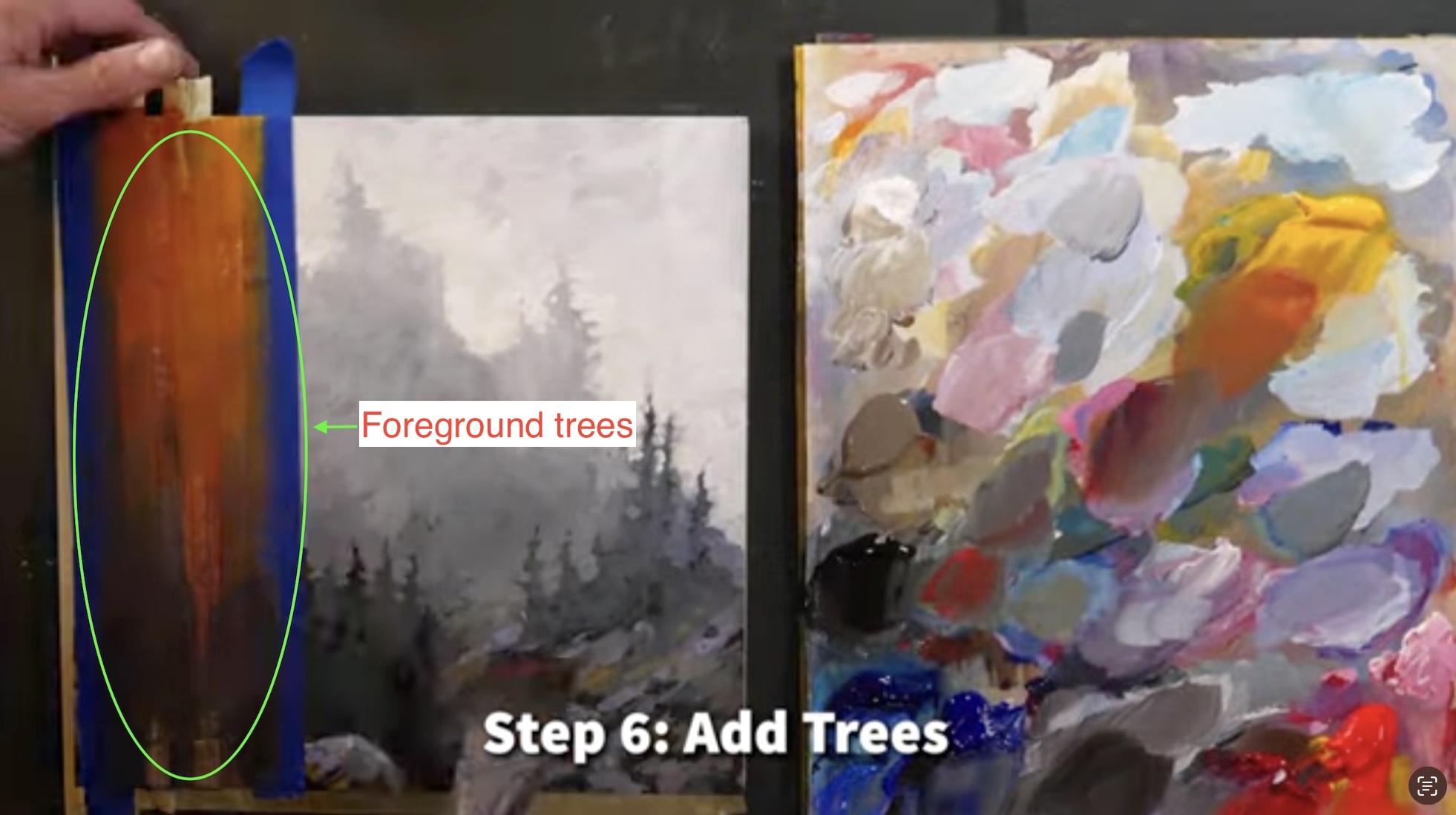
To strengthen the sense of depth, I add bold foreground trees. I tape off areas to create clean shapes quickly, then layer in branches and details.
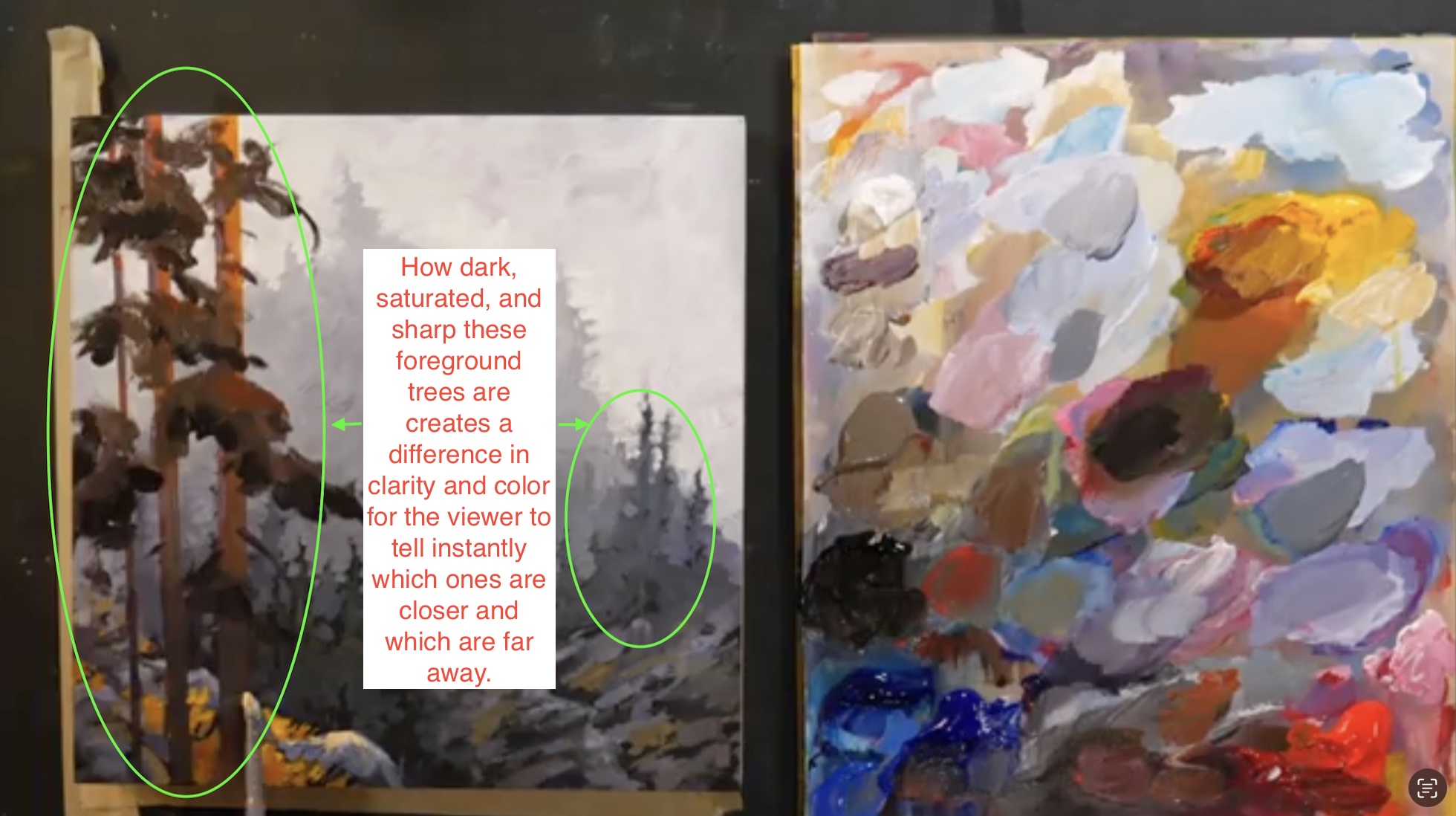
Notice how dark, saturated, and sharp these foreground trees are compared to the distant ones. They may be the same type of trees, but the difference in clarity and color instantly tells the viewer which ones are closer and which are far away.
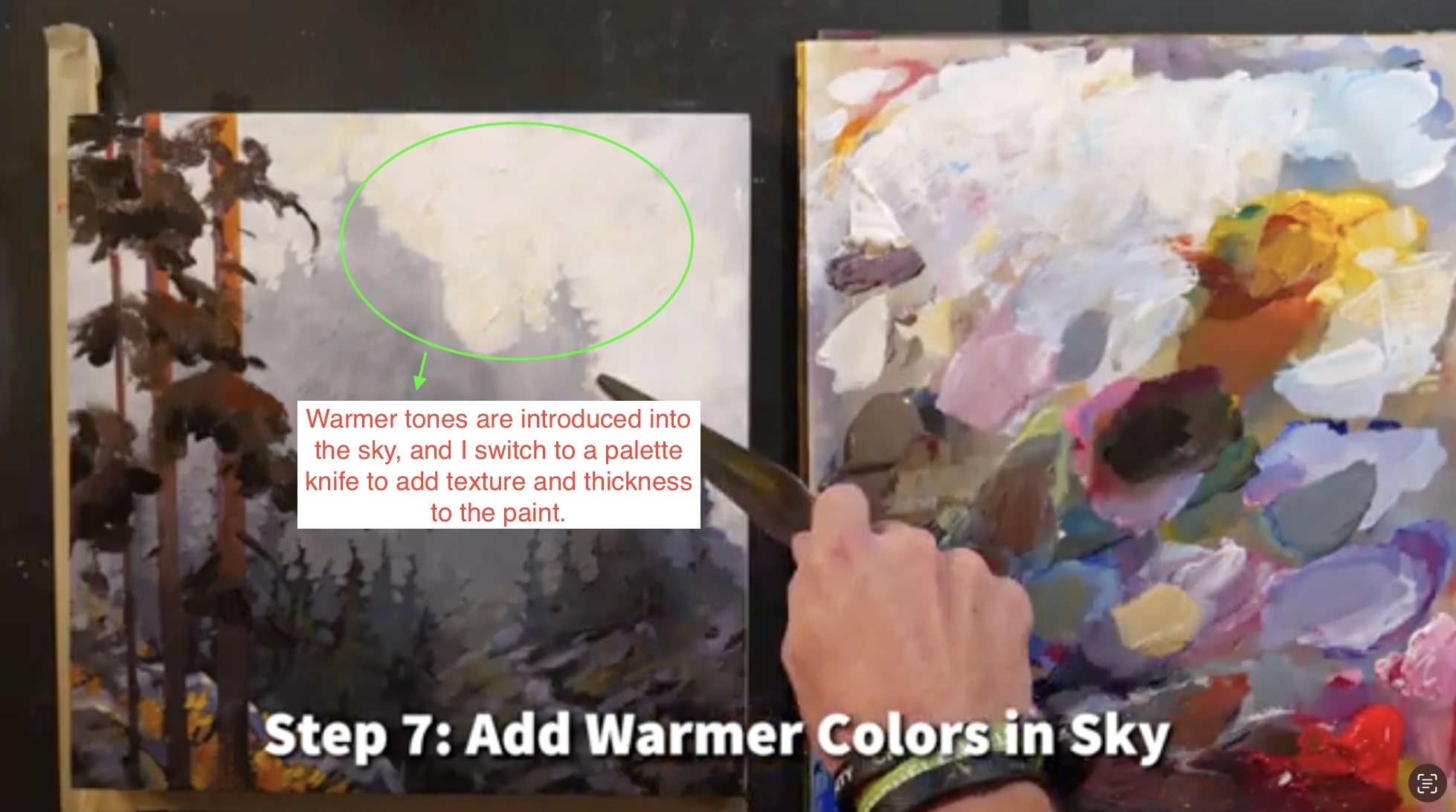
Next, I imagine a break in the clouds—sunlight beginning to filter through. Warmer tones are introduced into the sky, and I switch to a palette knife to add texture and thickness to the paint.
I ask myself: If sunlight is breaking through, where would it hit?
Naturally, it would touch parts of the ground and landscape below. I add highlights and warm accents to show light cascading into the scene, revealing a beautiful, unfolding moment.
Final Thoughts on Atmosphere
Atmosphere creates depth.
Atmosphere creates mystery.
And atmosphere brings emotion into a painting.
This is absolutely achievable in acrylics. Zinc white is your friend—it allows you to build multiple transparent layers, creating depth, softness, and luminosity over time. By layering thoughtfully and working from dark to light, you can achieve stunning atmospheric effects.
Remember: build your layers, trust the process, and allow the painting to evolve.
You are amazing. I can’t wait to see the artwork you create using these techniques—and even beyond them.
New to the world of acrylic painting? Check out our BLOOM MEMBERSHIP for a great start!