How to Paint Atmospheric Coastal Reflections | Bold Brush Techniques | For The Love Of Painting
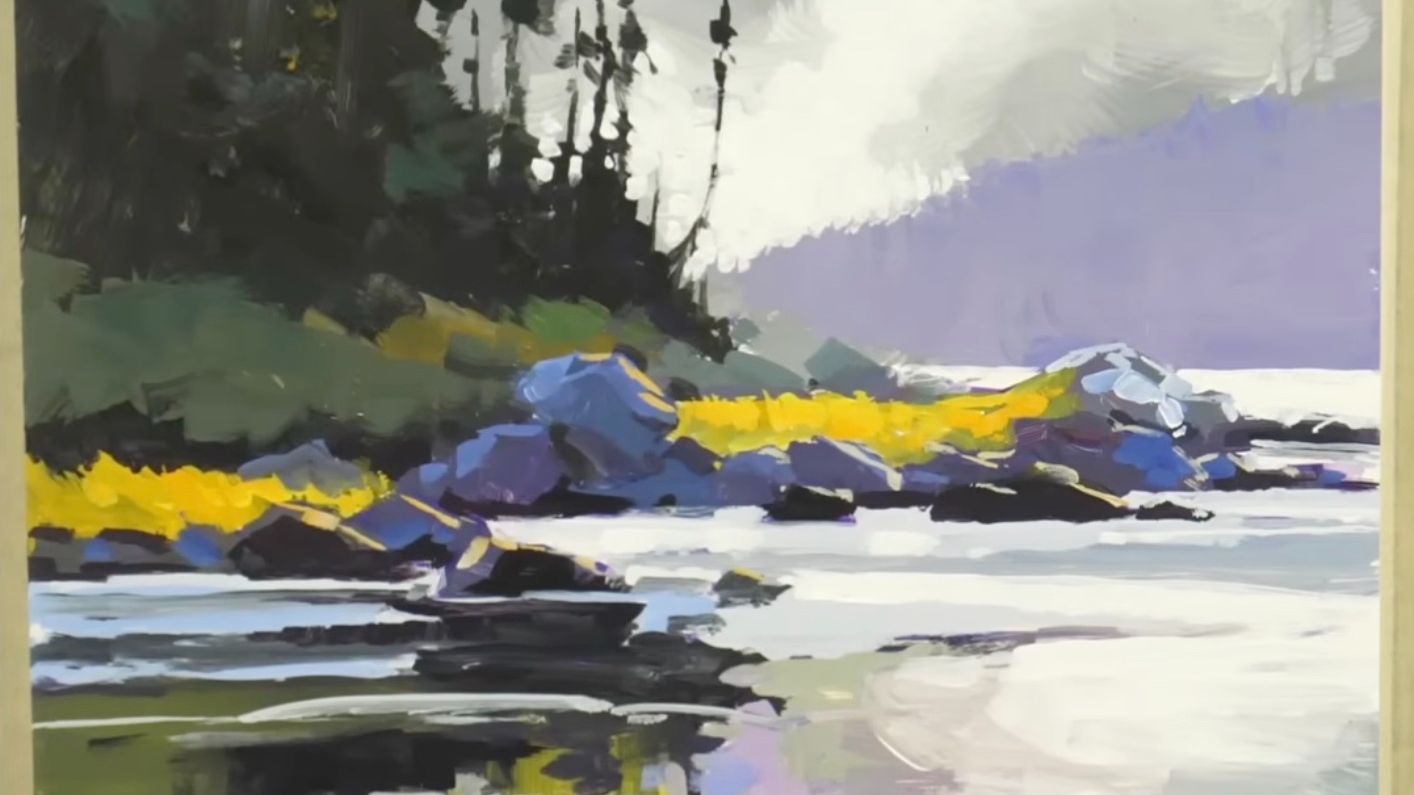
How to Paint a Loose Coastal Scene with Expressive Brushwork
If you're looking for a relaxing and creative painting project, this coastal scene tutorial is a perfect choice. With soft colors, fluid techniques, and expressive brushwork, this approach allows you to enjoy the process while creating a beautiful piece of art.
A Fun and Relaxed Approach to Painting
This painting focuses on freedom rather than perfection. The goal is not to create highly detailed elements, but to capture the feeling of a coastal landscape using loose and confident brushstrokes. Whether you're a beginner or an experienced artist, this method encourages you to enjoy painting without pressure.
Materials and Colors
To achieve this soft coastal look, the following colors are used:
-
Titanium White
-
Cadmium Yellow
-
Cadmium Orange
-
Quinacridone Red
-
Ultramarine Blue
-
Mars Black
These colors allow you to mix a wide range of tones—from soft skies to deep shadows and subtle landscape hues.
Step 1: Start with a Loose Foundation
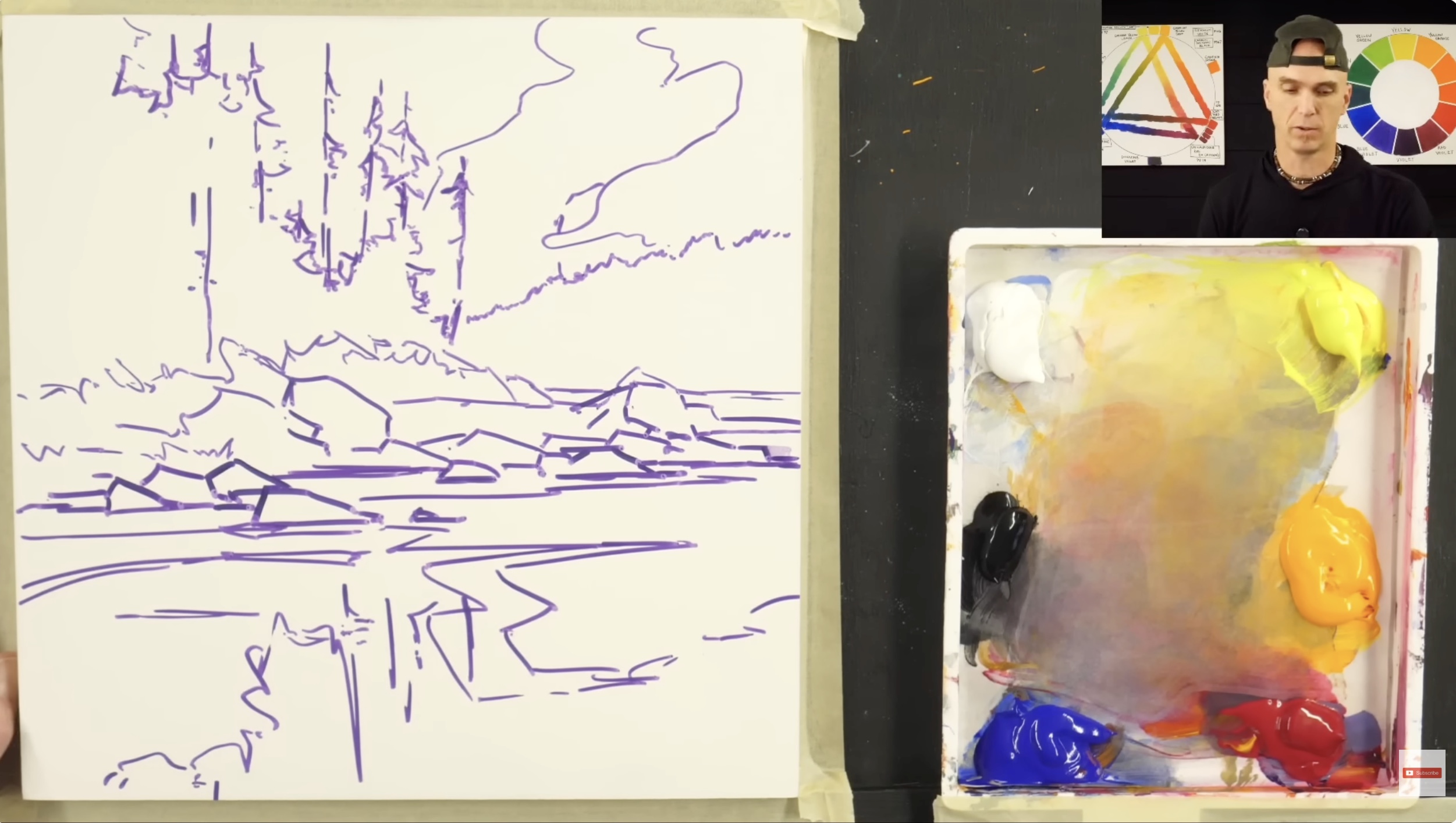
Begin by sketching your composition lightly on the canvas. Once ready, start painting with a large brush to block in the background. The focus here is on keeping everything loose and fluid.
Instead of worrying about details, concentrate on movement and flow. Adding a bit of water to your brush helps the paint glide more easily, creating a soft and blended base.
Step 2: Build the Sky with Soft Clouds
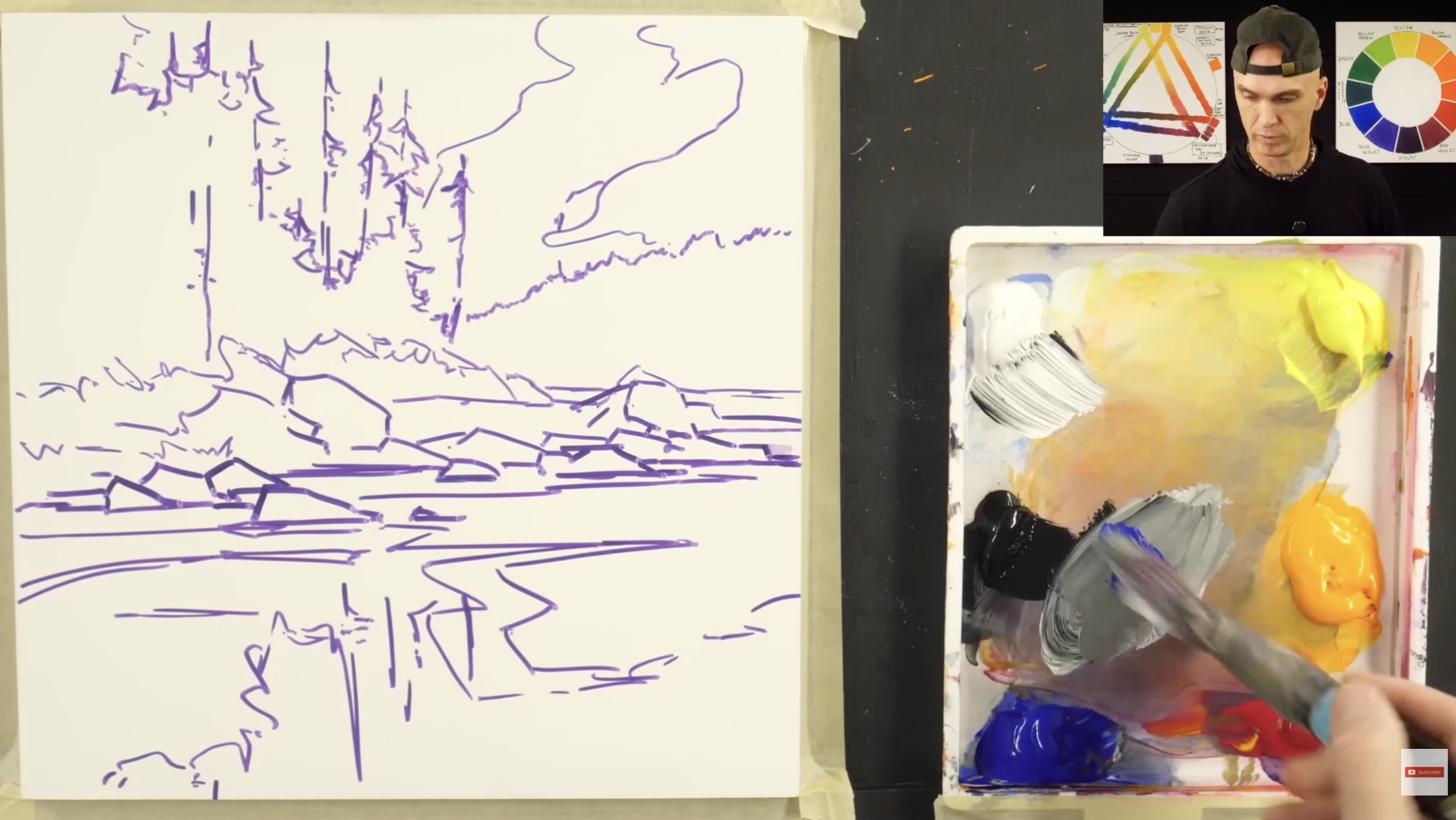
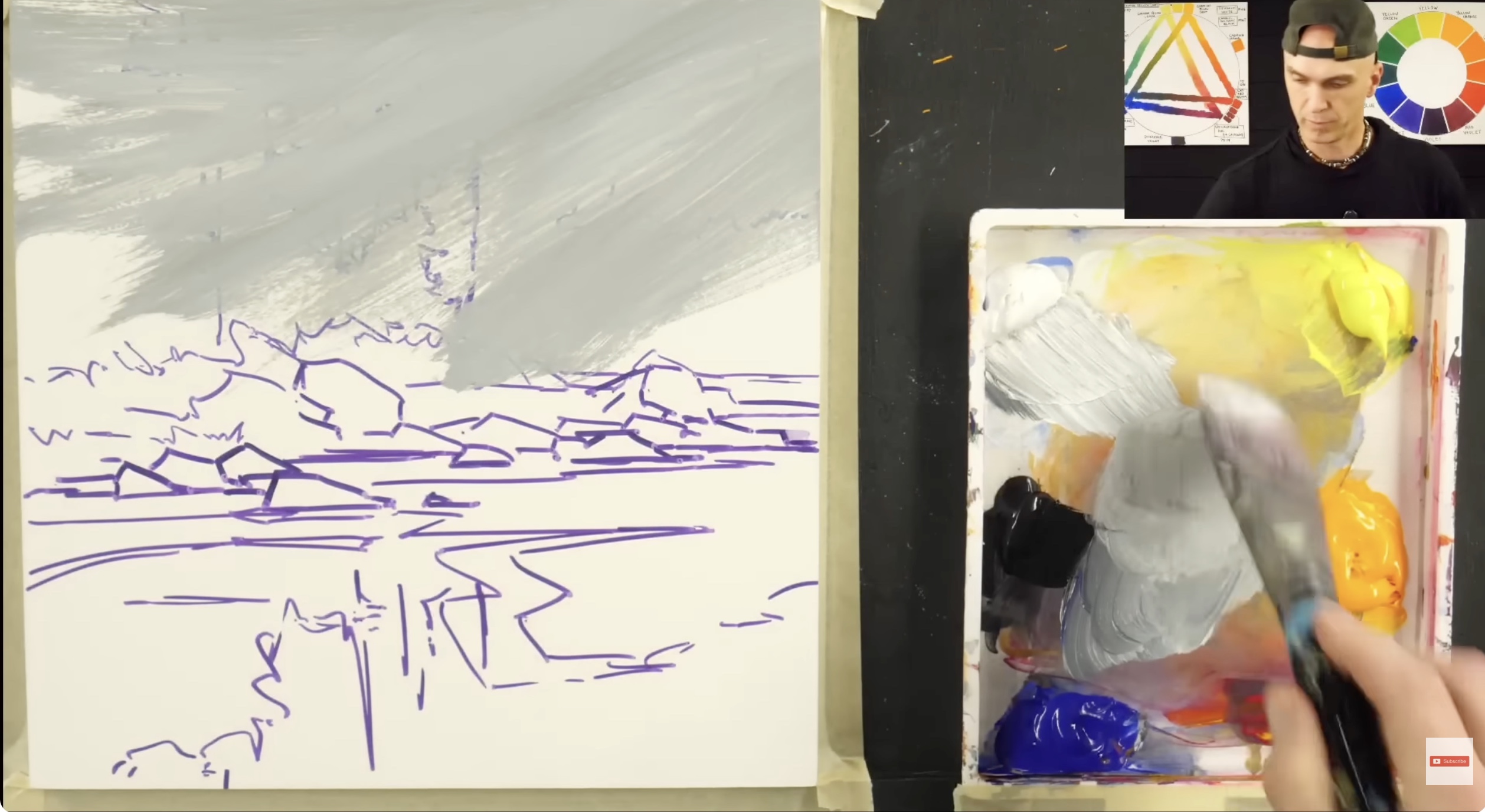
Mix white, blue, and a touch of black to create gentle cloud tones. Apply the paint loosely, allowing colors to blend naturally on the canvas.
Working wet-on-wet (applying wet paint over wet paint) helps create soft transitions and gives the sky a natural, airy feel. This technique is key to achieving that expressive look.
Step 3: Understand Painting Order
There are different approaches to painting order. While some artists prefer painting from foreground to background, a more traditional method is to start with the background.
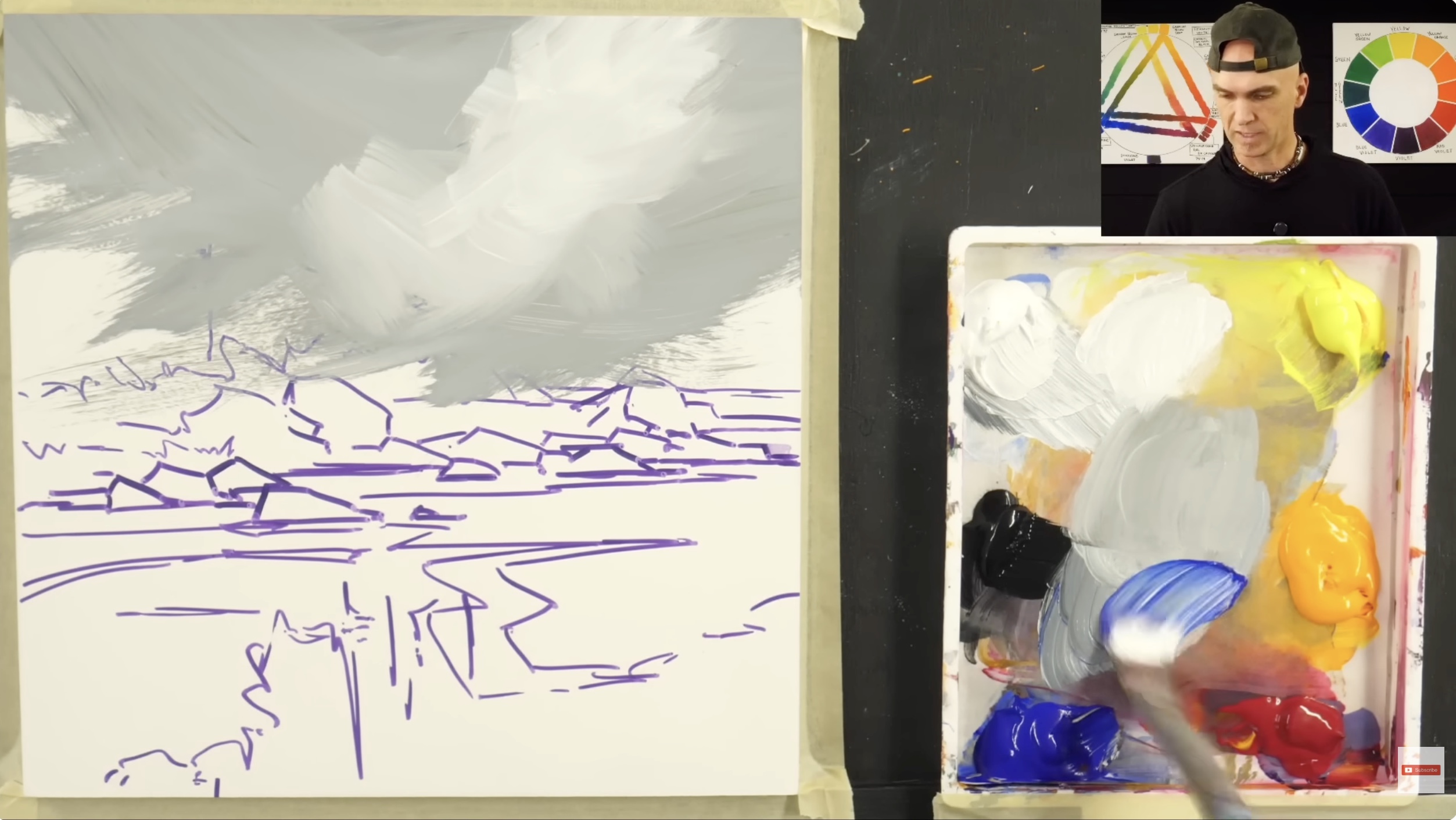
Painting the sky first allows you to work freely without worrying about painting around objects. This makes it easier to establish the overall mood and lighting of the scene.
Step 4: Add Background Elements
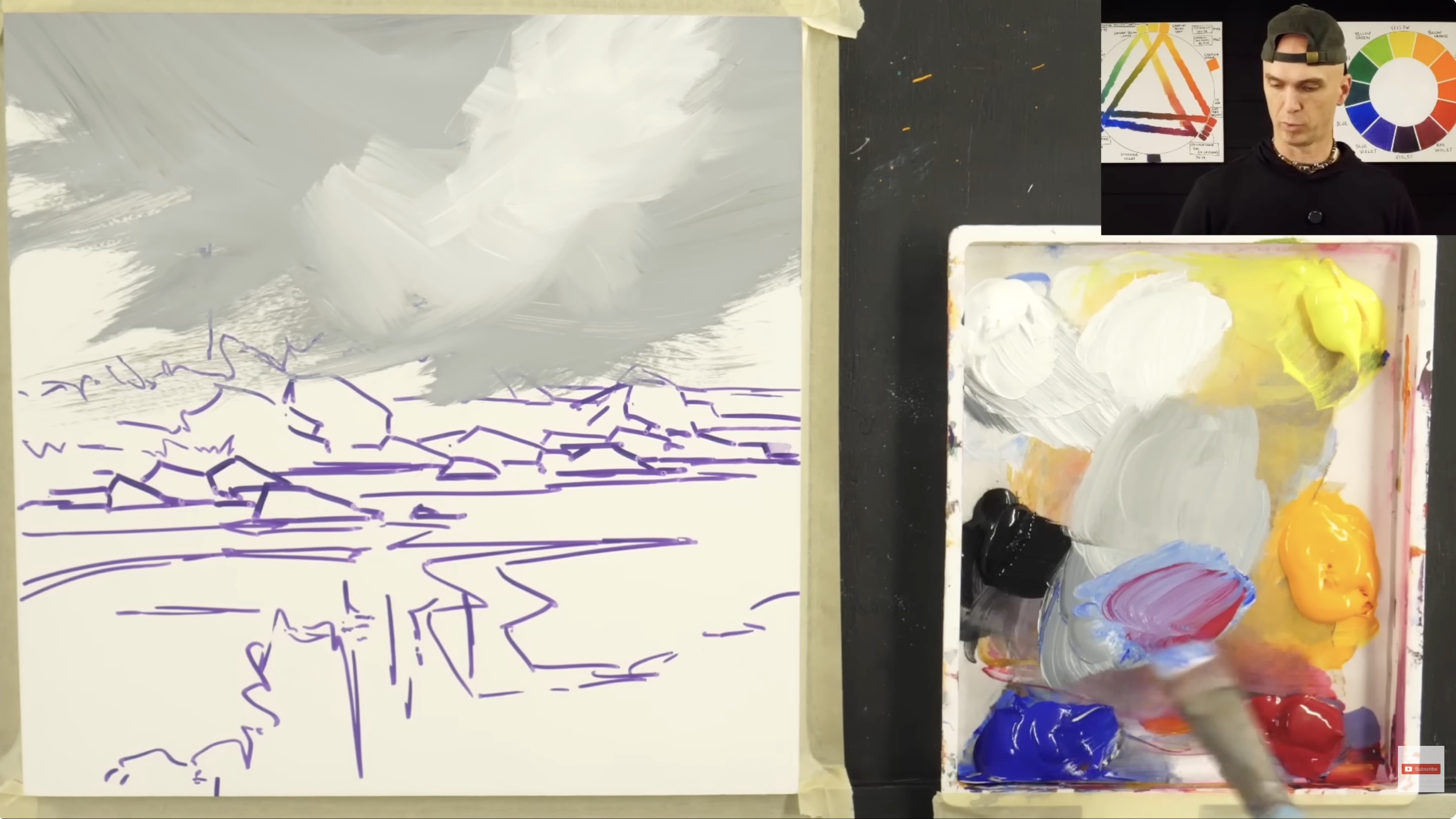
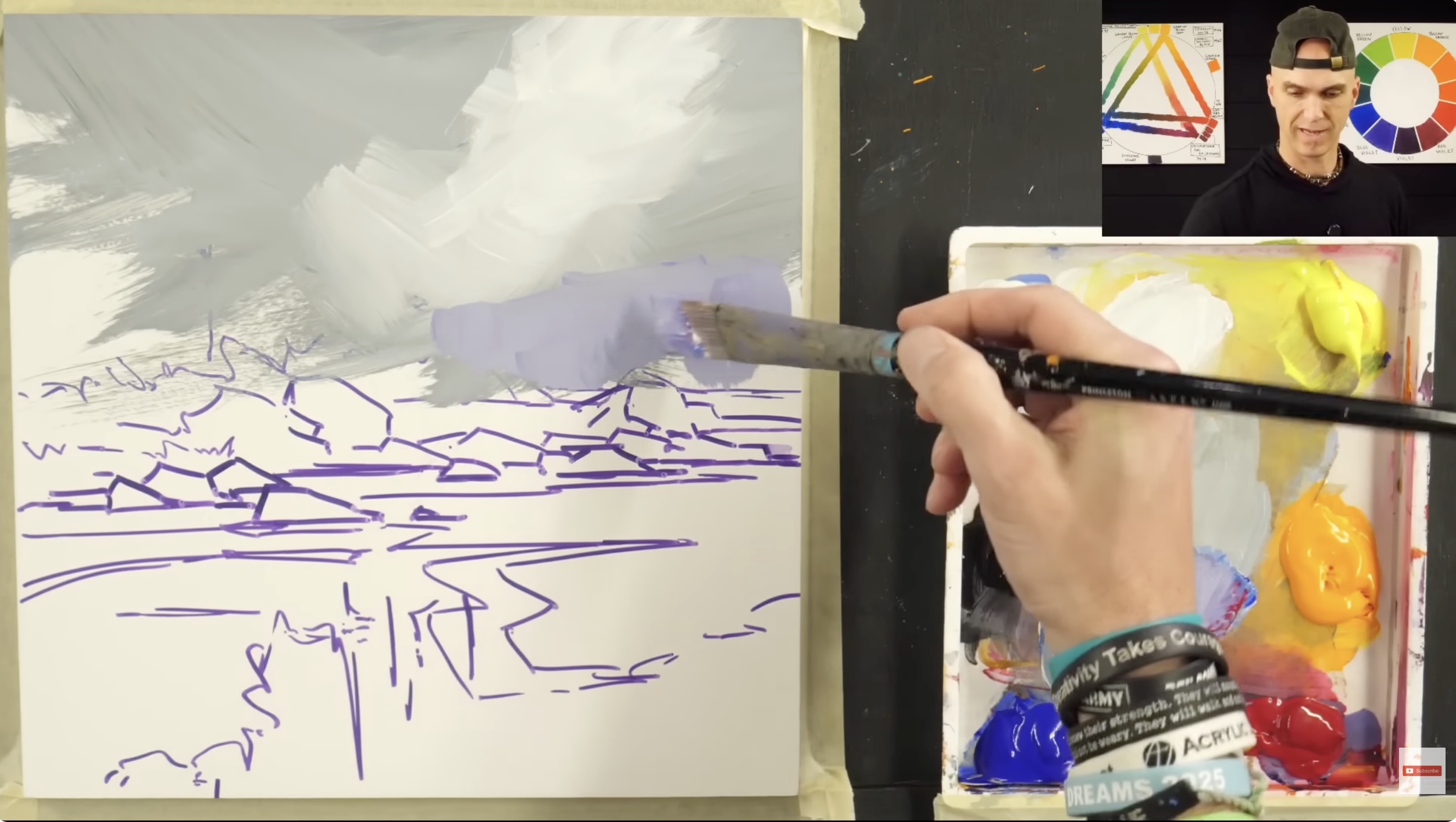
Next, mix a combination of blue and red to create a soft violet tone for distant hills. These background shapes should remain subtle and less detailed to create depth.
Position them gently within the composition, allowing them to fade naturally into the sky.
Step 5: Keep It Wet and Flexible
Maintaining a wet surface while painting allows for smooth blending and adjustments. If needed, you can use a spray bottle to keep the paint workable.
This flexibility helps you refine transitions and maintain the soft, expressive quality of the painting.
Step 6: Embrace Expressive Brushwork
The key to this painting style is confidence in your brushstrokes. Avoid overthinking each movement—let your hand move freely and trust the process.
Expressive brushwork adds character and energy to your painting, making it more dynamic and visually interesting.
Final Thoughts
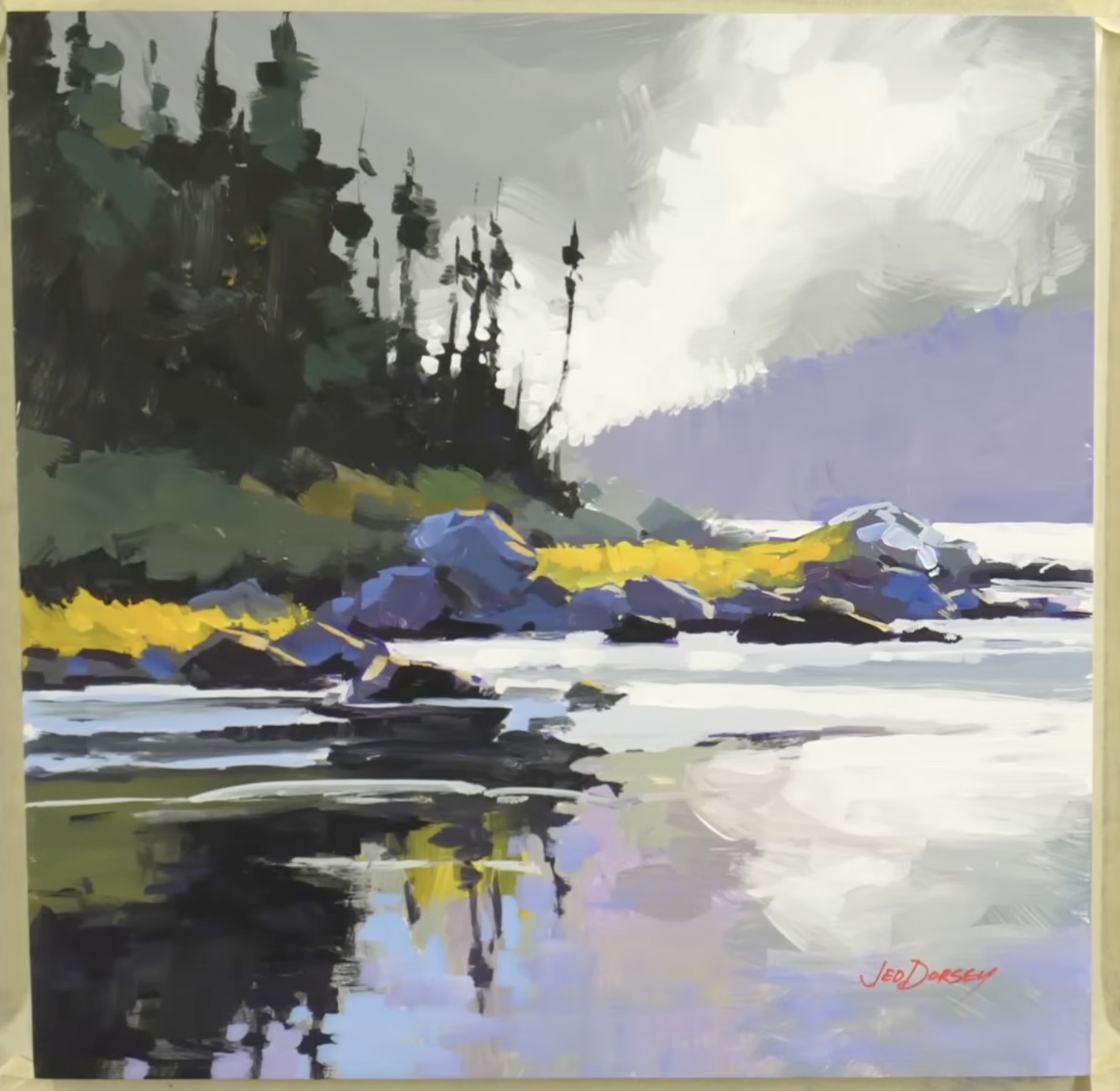
Painting a coastal scene doesn’t have to be complicated. By focusing on soft color transitions, wet-on-wet techniques, and loose brushwork, you can create a beautiful and calming artwork.
Most importantly, remember to have fun. Whether you’re painting along step-by-step or simply experimenting, this approach is all about enjoying the creative journey.